
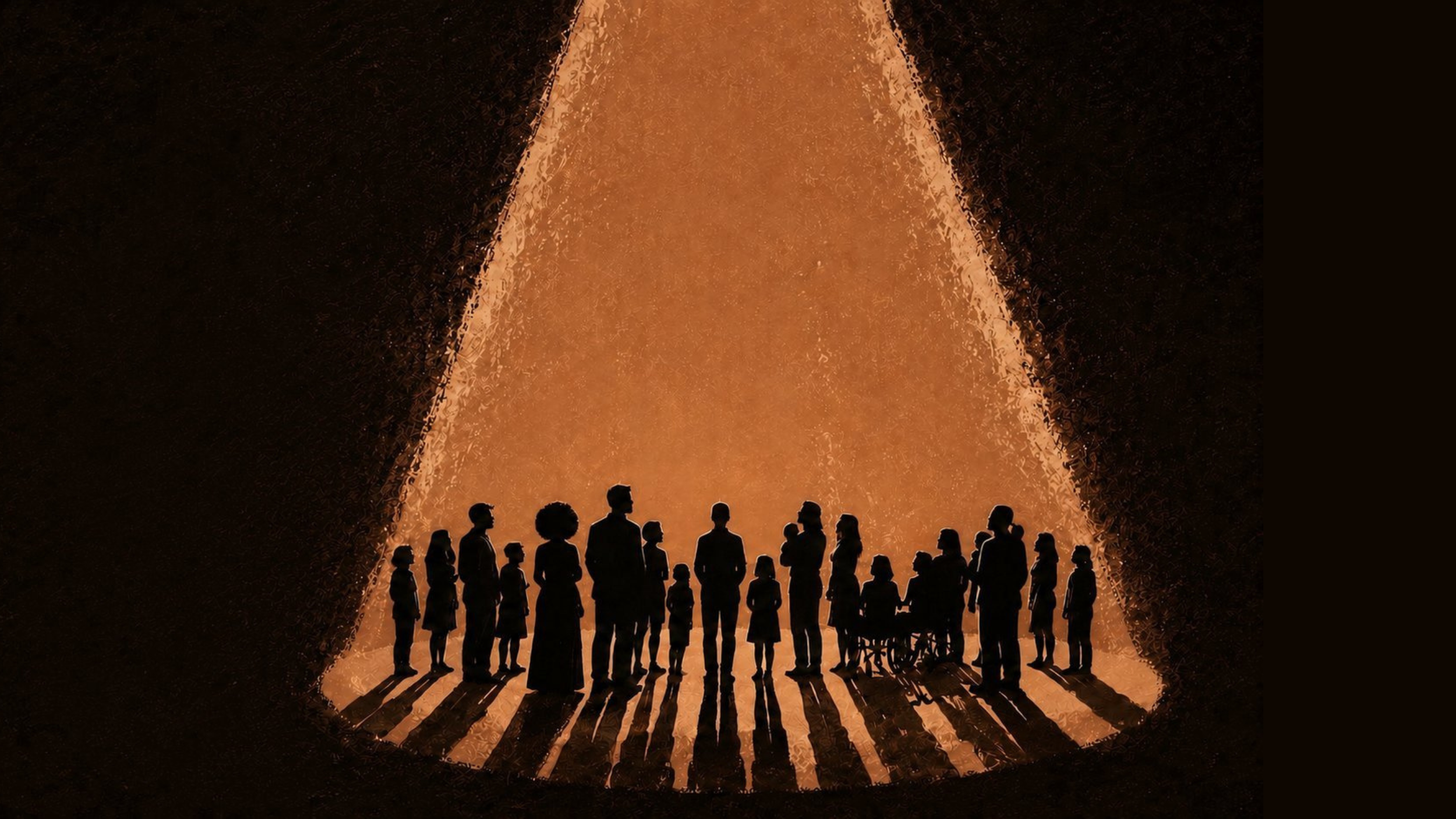
The end of the hero. The rise of us
AVAILABLE WORLDWIDE · PAPERBACK · HARDCOVER · EBOOK
EDITORIAL RECOGNITION
✓ Kirkus Verdict: Get It
“A reflective call to action for individuals, organizations, and humanity as a whole.”
— Kirkus Reviews
In the Media
Two futures are being built with the same technology. In one, intelligence is owned by a few and rented by everyone else.
In the other, the capacity of the many, augmented by machines, does what the authority of the few never could.
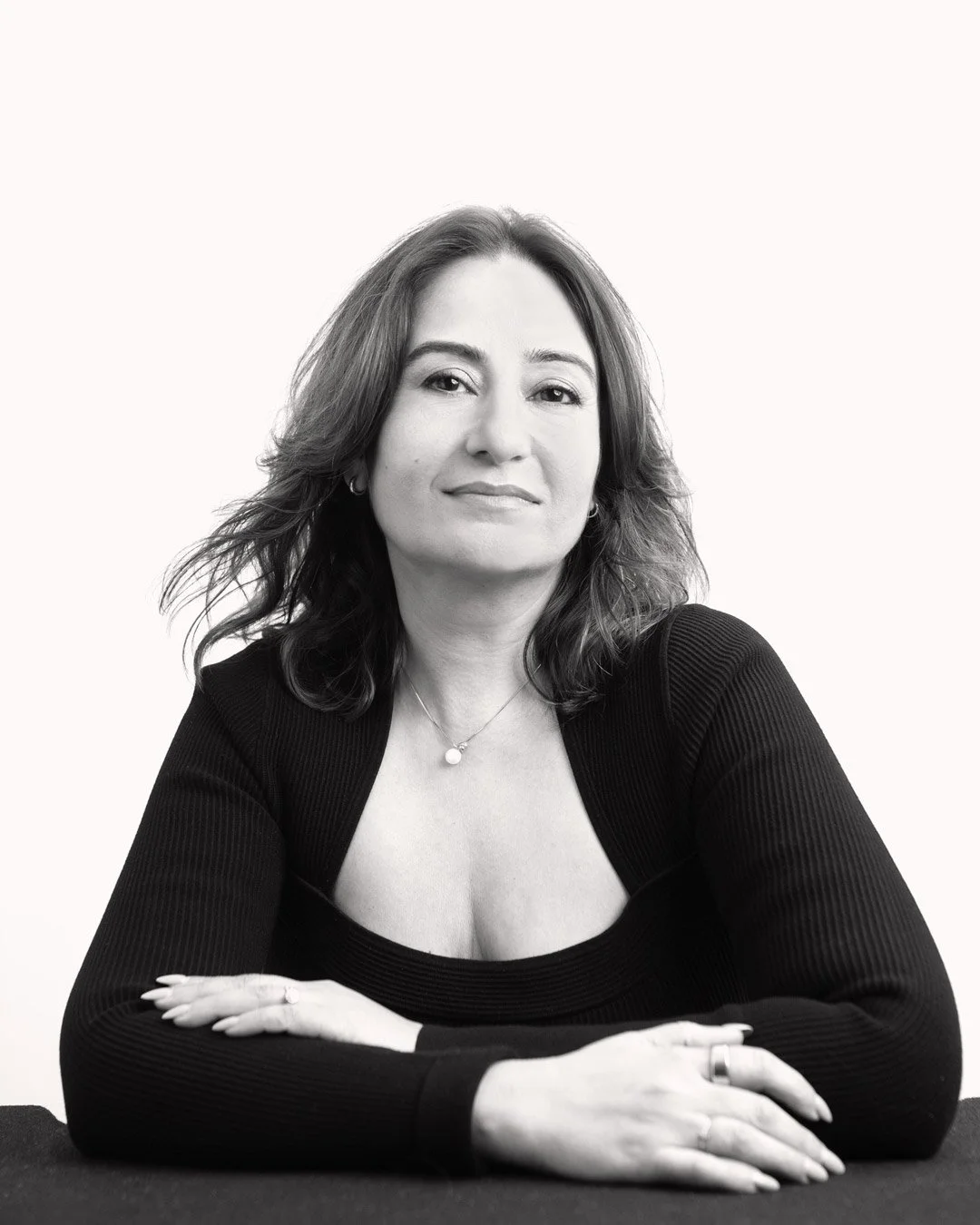
I'm Sonali Sharma. I have spent my career on the second future, and The 90% Code is where I set out how it works: the capacities people develop, the infrastructures that turn those capacities into power, and the cases proving it already runs.HOW MUCH AGENCY ARE YOU ACTUALLY RETAINING AS AI ENTERS YOUR WORK?Three ways in.
-
Trust Infrastructure for AI adoption
BUILDING AI THAT STRENGTHENS HUMAN CAPABILITY.
AI adoption requires more than technical safeguards. Explore a five-dimensional framework for building trust through honesty, growth, power, fairness, and accountability.
-
Speaking and Workshops
BRINGING SYSTEMS THINKING INTO PRACTICE.
Keynotes and interactive workshops on organizational redesign for AI, collective intelligence, responsible adoption, and intergenerational stewardship.
-
Collective Intelligence
UNLOCKING THE INTELLIGENCE OF THE MANY.
What if organizations could think, decide, and act beyond the capacity of any single leader? Explore The 90% Code's framework for distributed intelligence, shared ownership, and collective action.
from EXTRACTION to REGENERATION,
from TECHNO-FEUDALISM to DISTRIBUTED ABUNDANCE,
from HERO to COLLECTIVE INTELLIGENCE.
Meet the Author

The central question of this moment is not what a single brilliant mind can do. It is what many minds can do together.
The 90% Code is an operating system for governing the AI-era complexity without concentrating power.
The thinking behind the work
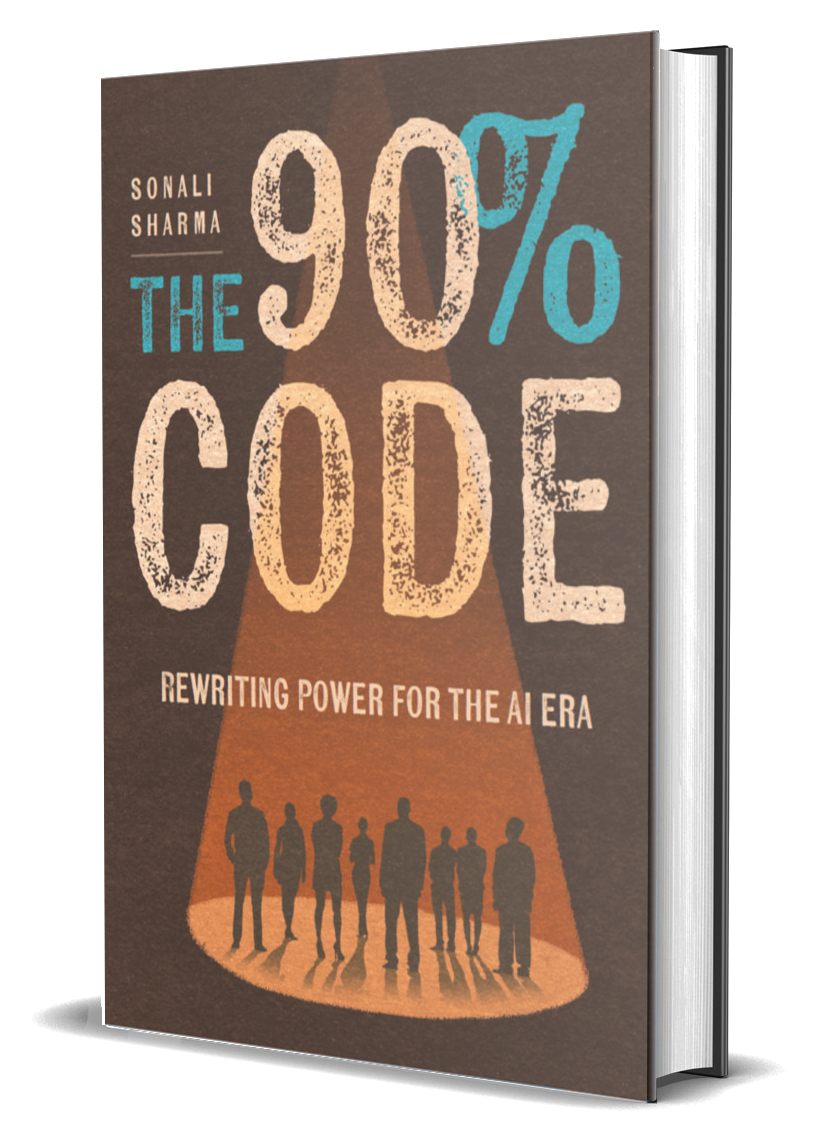
The 90% Code — The Book
The 90% Code argues that the Hero Model, authority concentrated in a few hands, cannot govern the complexity AI is producing, and that the polycrisis we are living through is the cost of that failure. It sets out the alternative as an operating system: five capacities people develop, three infrastructures that turn those capacities into power, and the cases proving it already works. The choice in front of us is Distributed Abundance or Techno-Feudalism, and the book is about how the 90 percent make it.
Learn More
The framework and diagnostics
The System Diagnostic Canvas scores a community or organisation on the five capacities and three infrastructures and shows where the system is stuck.
The AI Assessment Canvas scores an AI system from two sides, the people who built it and the people who live with it, because the distance between those scores is where governance is missing. Both are free to download.
The same framework runs the AI Trust Score, a diagnostic of your own relationship with the AI in your work, refined with 50+ builders, adopters, teachers, and students globally.
Explore Framework
Living Proof
Buurtzorg runs Dutch home care through self-managing nurse teams with almost no management layer. Mondragon has operated as a worker-owned federation in the Basque Country for seven decades. vTaiwan brings citizens, civil servants, and companies into one deliberation before law is written. Bowling Green, Kentucky, used AI-assisted deliberation to let residents shape the city's future. Porto Alegre put a share of the municipal budget in residents' hands and kept it there for thirty years.
None of it is theoretical. The 90% Code is what these places already know, written down so the rest of us can build it.