
Sonali Sharma speaks on AI adoption, collective intelligence, and what leadership looks like when one person's judgment isn't enough. Built on two decades of building systems and research under peer review.Building Digital Resilience in an AI-Driven World
FEATURED KEYNOTE · BCIT · OCTOBER 2026NAVIGATING AI ADOPTION, EMERGING RISKS, AND THE TRUST INFRASTRUCTURE ORGANIZATIONS NEED TO THRIVE.As AI transforms the cybersecurity landscape, organizations face expanding risks, new challenges in adoption, and growing demands for trust and accountability.
Opening BCIT’s Cybersecurity Awareness Month, Sonali Sharma engaged 120 faculty, staff, and students in exploring three essential shifts: from centralized control to distributed intelligence, from technology deployment to continuous systems redesign, and from trust as an aspiration to trust as infrastructure.
Drawing on The 90% Code and its AI Trust Infrastructure Assessment Framework, the keynote introduced five capacities—honesty, growth, power, fairness, and accountability—as foundations for responsible AI adoption and digital resilience.
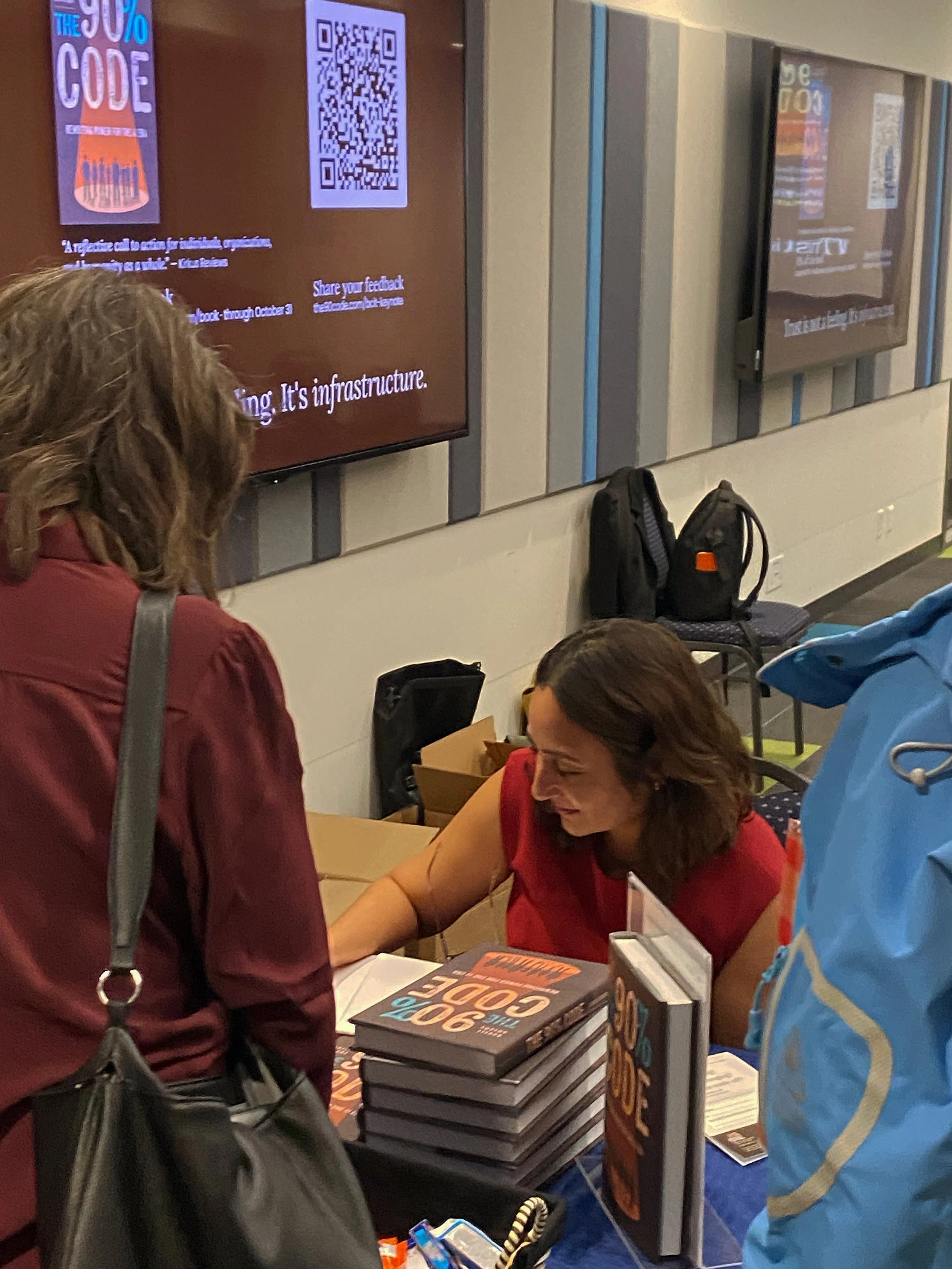
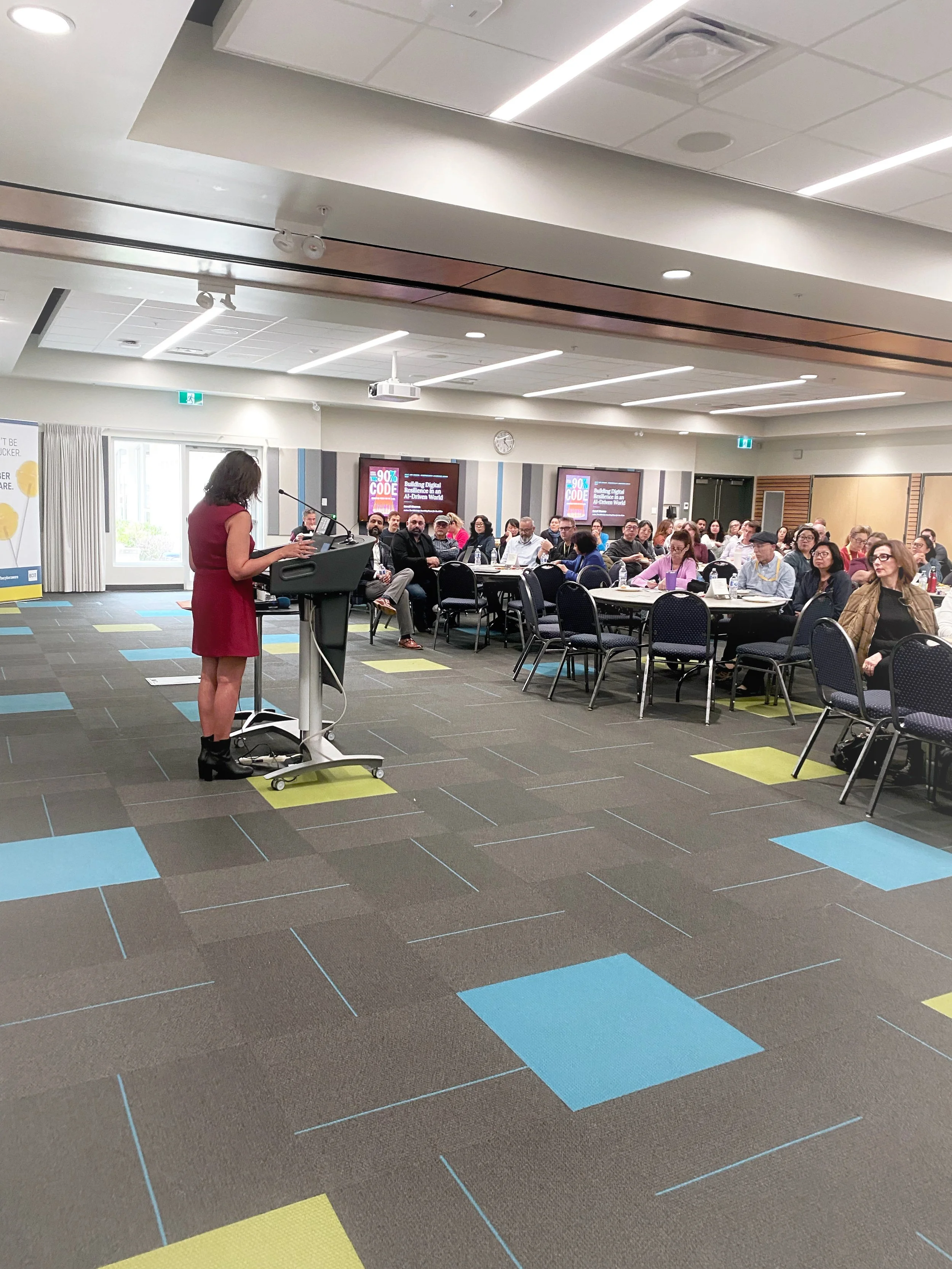
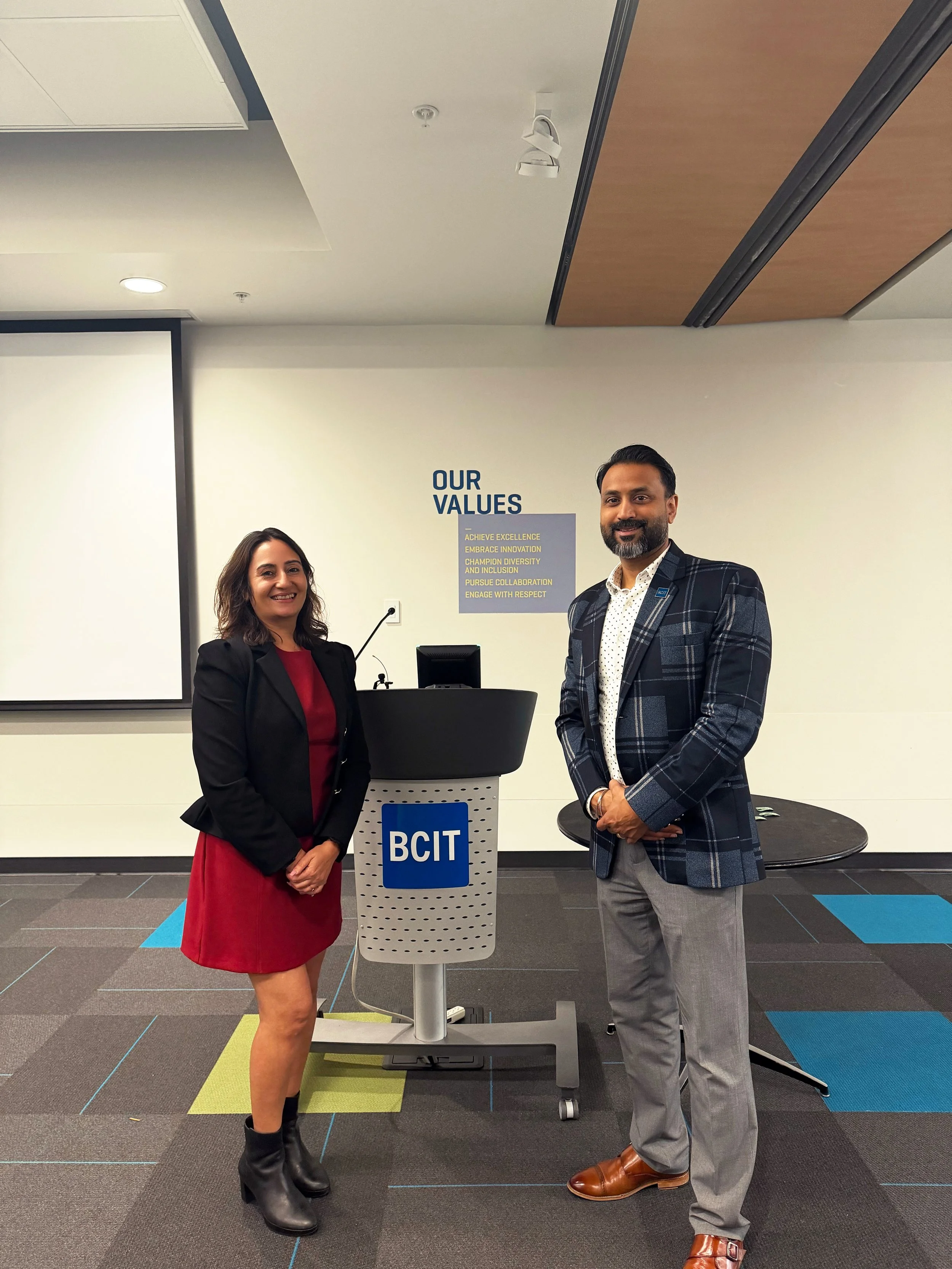
“Sonali delivered an inspiring and thought-provoking keynote on Building Digital Resilience in an AI-Driven World. The feedback from our community was overwhelmingly positive. Her perspective on moving beyond the traditional Hero Model toward distributed leadership, collective intelligence, and shared ownership was both timely and highly relevant as we navigate the complexity of the AI era. She truly knocked it out of the park.”
— Sunny Jassal
CISO, British Columbia Institute of Technology | President, ISACA Vancouver
Four conversations Sonali is ready to lead
FOR ORGANIZATIONS LEADING CHANGE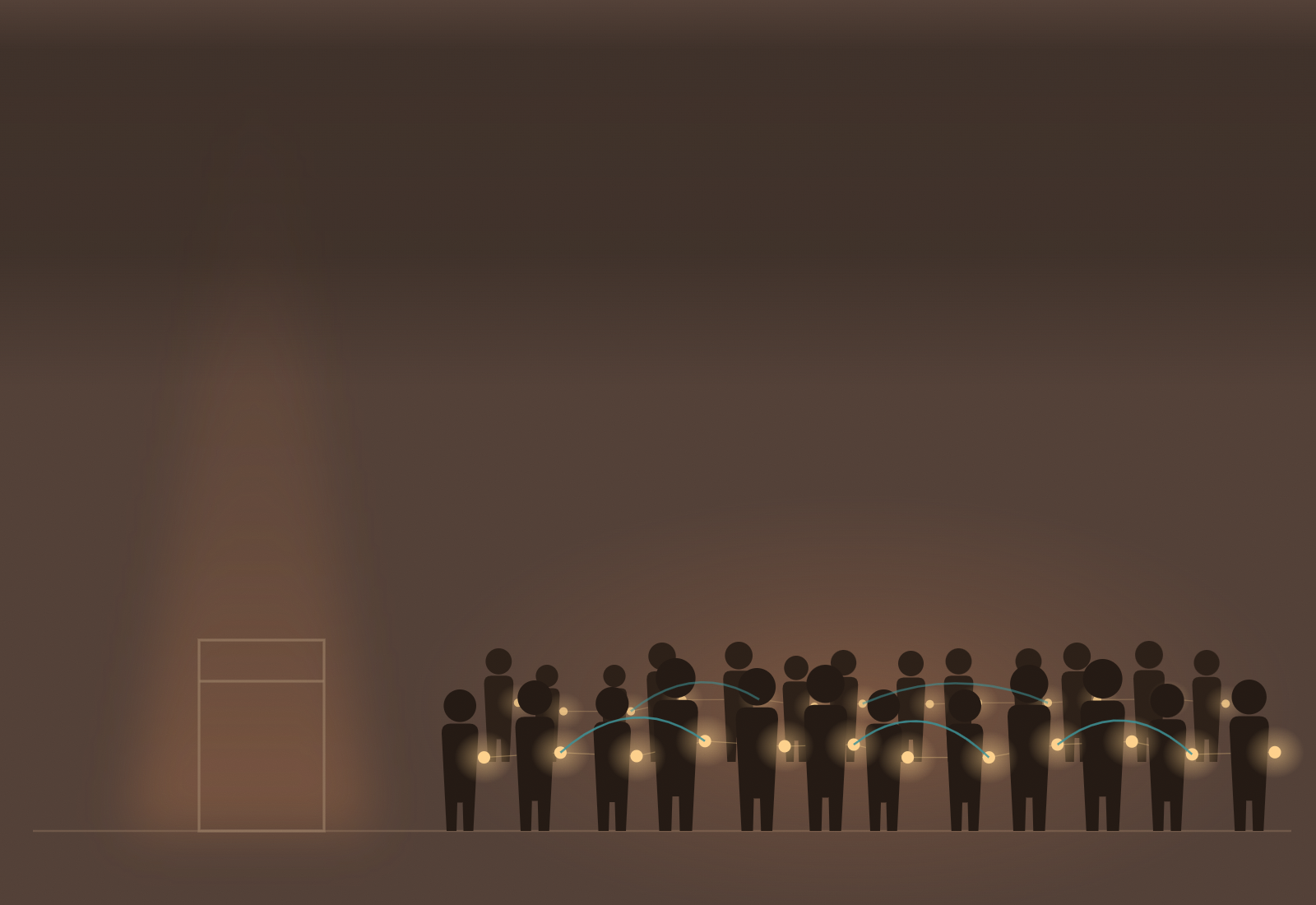
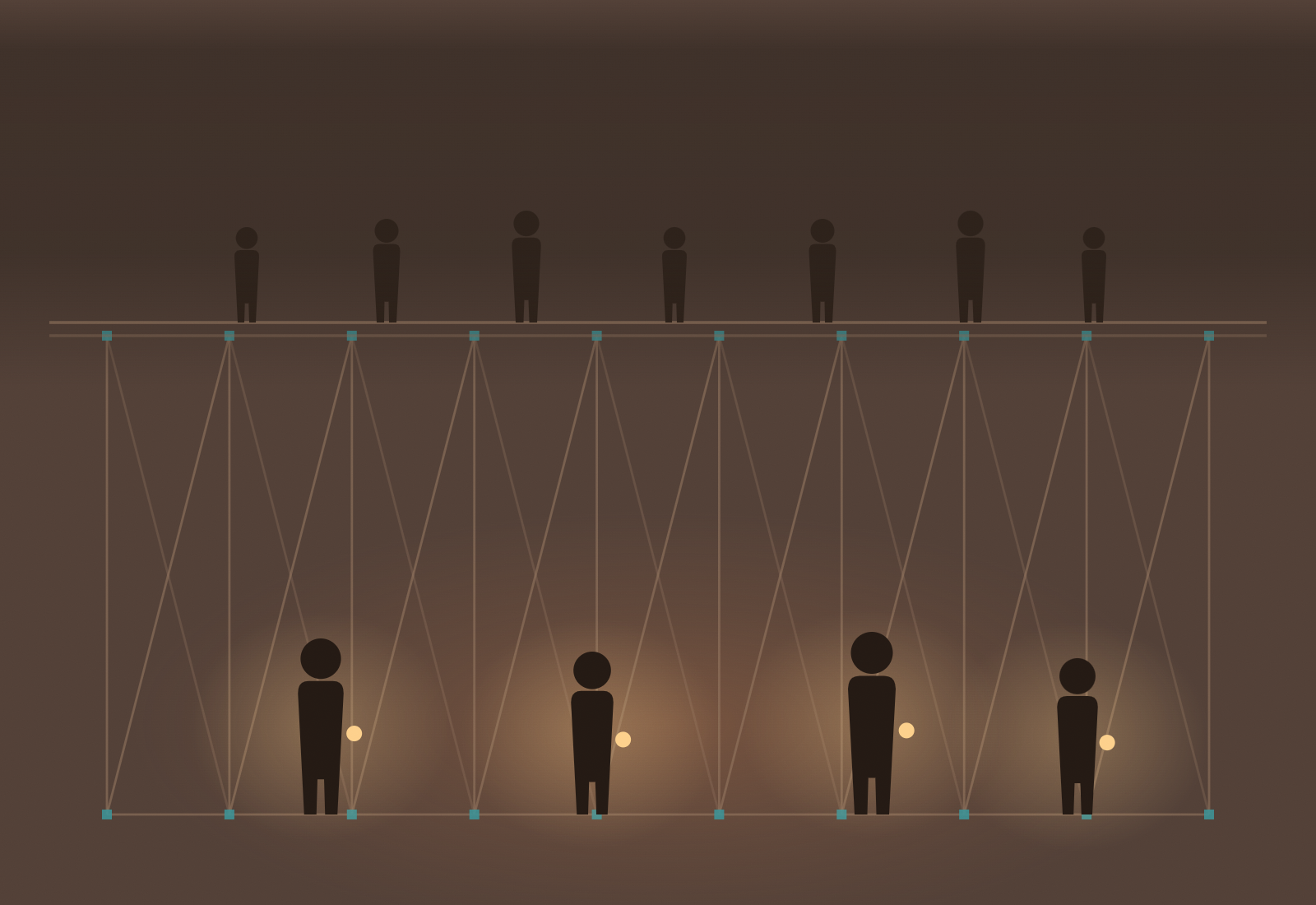
From Hero to System
Building collective intelligence that outperforms any hero
We've built our institutions around a single belief: that a few at the top should think and decide for the rest. That model is failing on the evidence — transformation failure rates run above 70 percent. AI makes the mismatch sharper: intelligence is distributing while decision-making stays concentrated. The organizations that succeed in this transition will be the ones that distribute both — that learn to think as one system. This talk shows what that architecture looks like.
You'll leave with a one-page canvas to map where collective intelligence already lives in your organisation, and what's blocking the rest.
Trust as AI Infrastructure
AI your people trust, and where it starts
The biggest AI risk isn't in the model — it's in the organization deploying it. A system can pass every safety evaluation and still erode judgment and concentrate power. That's a trust problem, and it's where adoption stalls — and where regulation from the EU AI Act to NIST is now heading. This talk covers the five questions that make AI answerable to the people it touches, and what organizations closing their trust gaps do differently.
Everyone in the room leaves with free access to the AI Trust Score — and their own trust profile if they take it before the day ends.
For policy, governance, and public leadership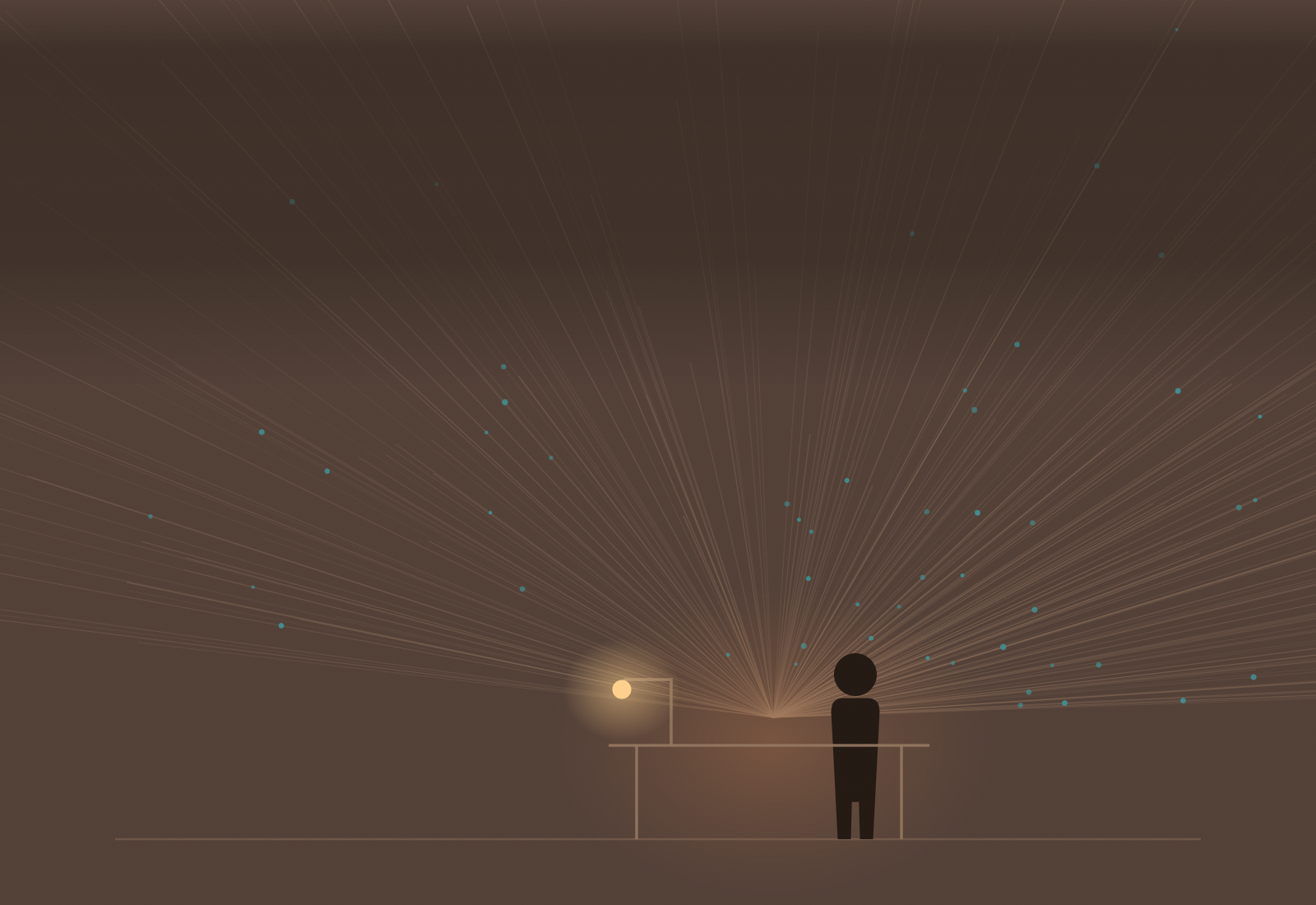
The failing math of concentrated authority
Why redesign beats resolve, and where to start
Over three decades, the richest 1 percent captured 38 percent of all new wealth; the bottom half of humanity captured 2. That's not a market failure — that's the design working as built. Yet policy keeps pulling the weakest lever: adjusting parameters while the architecture reproduces the outcomes. This talk makes the case for redesign over repair — including how Finland cut long-term homelessness by 68 percent by changing an assumption, not a budget line.
You'll leave with a way to tell which of your problems need more effort and which need redesign — and where to begin.
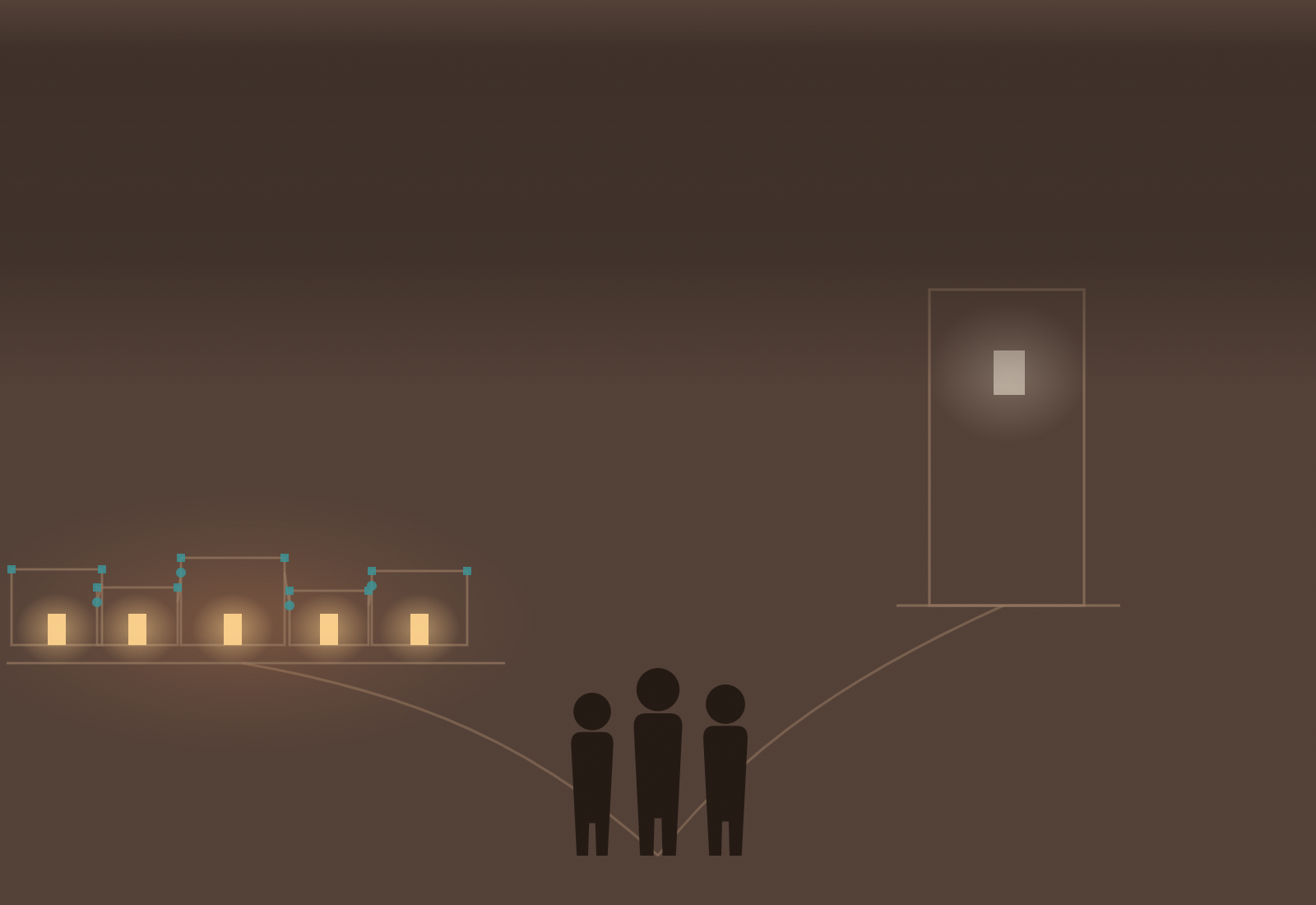
Two futures in one room
Choosing distributed abundance while the choice is still ours.
Two futures are being built with the same technology — the difference is who owns it, who governs it, and who the gains flow back to. On today's defaults we get techno-feudalism: intelligence owned by a few and rented by everyone else. And beneath the economics sits a deeper question: what happens to work, identity, and meaning when machines perform our expertise. This talk maps the second path — distributed abundance — and how to start choosing it.
You'll leave seeing the ownership and governance choices in front of your organisation — while they can still be made.
“Accountability without participation is management. Accountability with participation is governance. Accountability that extends across generations is stewardship.”
READY TO MOVE FROM EXTRACTION TO STEWARDSHIP?
Are You Building Capability—or Just Renting Intelligence?
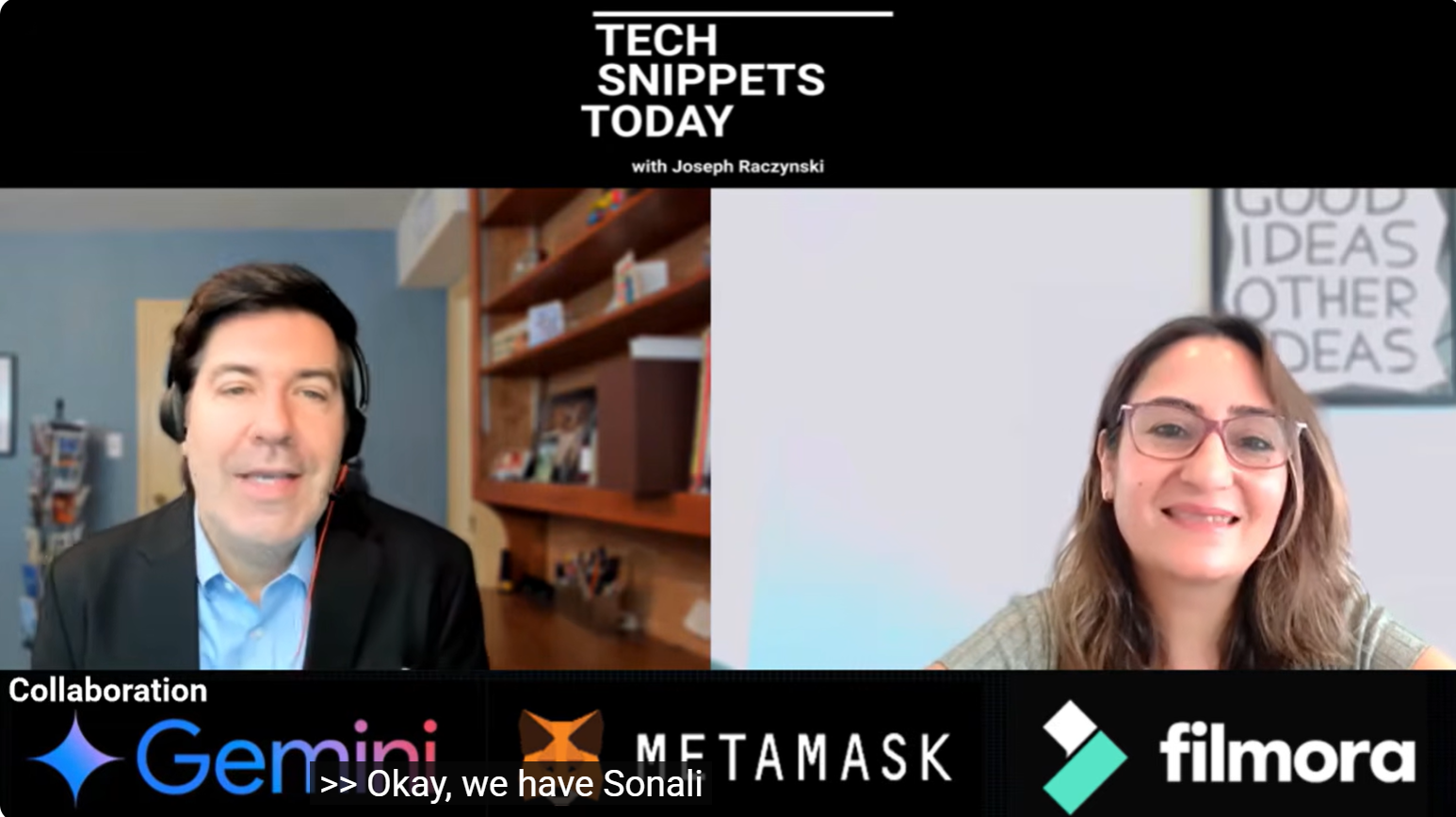
In conversation with Joseph Raczynski on Tech Snippets, exploring how unexamined AI adoption quietly erodes human judgment, accelerates technofeudalism, and why we must redesign power and decision-making for collective intelligence.
Meet the Author

The central question of this moment is not what a single brilliant mind can do. It is what many minds can do together.
The 90% Code is an operating system for governing the AI-era complexity without concentrating power.
Why this voice?
-
A builder, not a pundit.
She has built the distributed systems she writes about, and led the concentrated ones she critiques.
-
Cross-domain translation.
Fluency across enterprise, public, social-impact, and technological systems, the rarer asset as AI commoditizes single-domain expertise.
-
Rigor meets field evidence.
Two decades of operational execution, connected to AI governance research under peer review at Springer journals.
AI STRATEGY, MIT xPRO
・
STRATEGY, HBS
・
MBA
・
TIMES SHE UNLTD ENTREPRENEUR
・
PUBLIC SERVICE LEADER
・
DESIGN THINKING, MIT
・
ENTREPRENEUR IN RESIDENCE
・
Innovation Governance Professional, CCI
・
AI STRATEGY, MIT xPRO ・ STRATEGY, HBS ・ MBA ・ TIMES SHE UNLTD ENTREPRENEUR ・ PUBLIC SERVICE LEADER ・ DESIGN THINKING, MIT ・ ENTREPRENEUR IN RESIDENCE ・ Innovation Governance Professional, CCI ・
Bring this to your stage.
Tell us about your event, audience, and dates, and we’ll confirm within two business days.
Media and speaking inquiries:
Rob Nissen, Nissen PR · rob@nissenpr.com
Direct: sonali@the90code.com
Download the media kit (PDF)