The children watching us now will inherit whatever we choose. What will you choose?
Conclusion - The Passage, The 90% Code
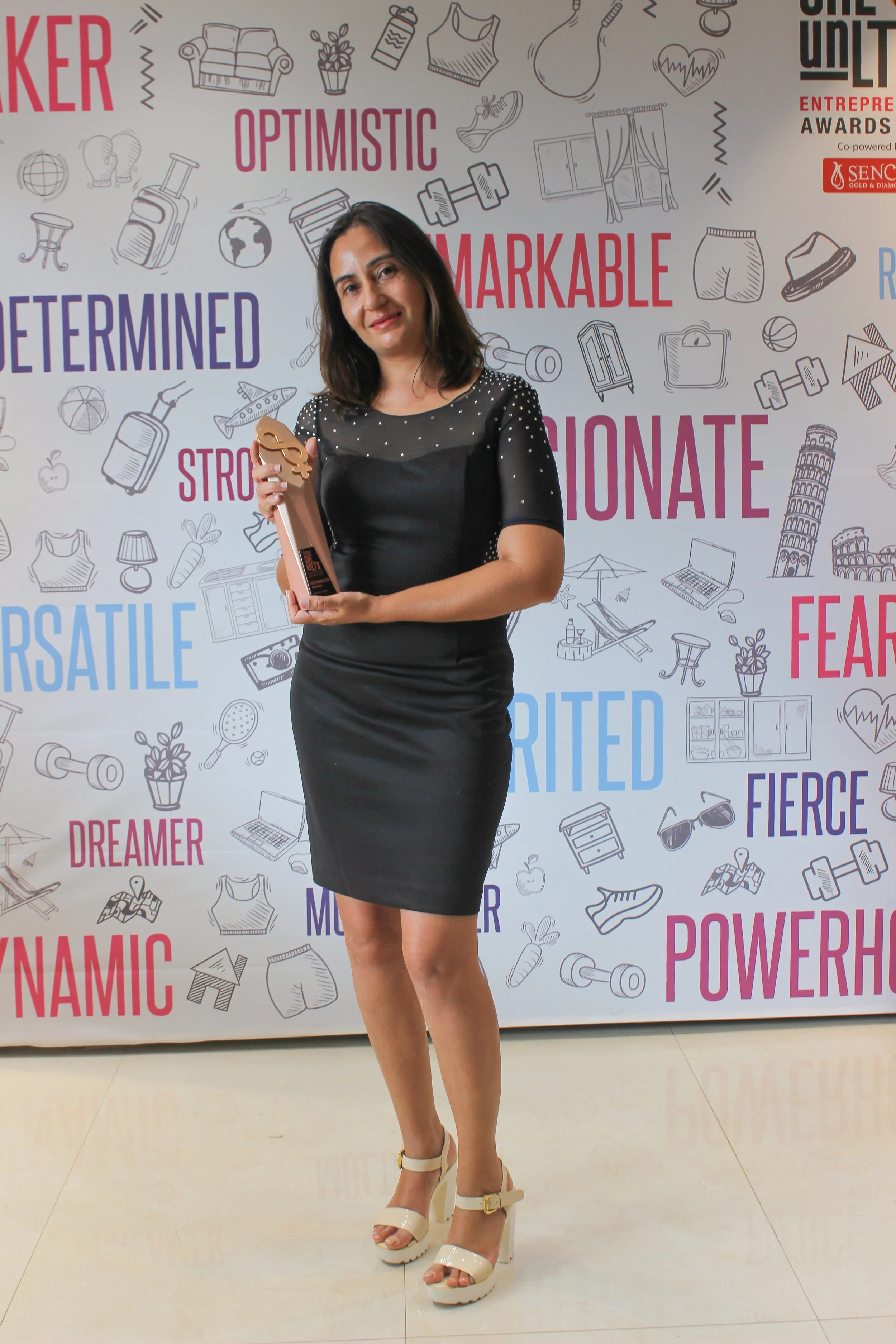
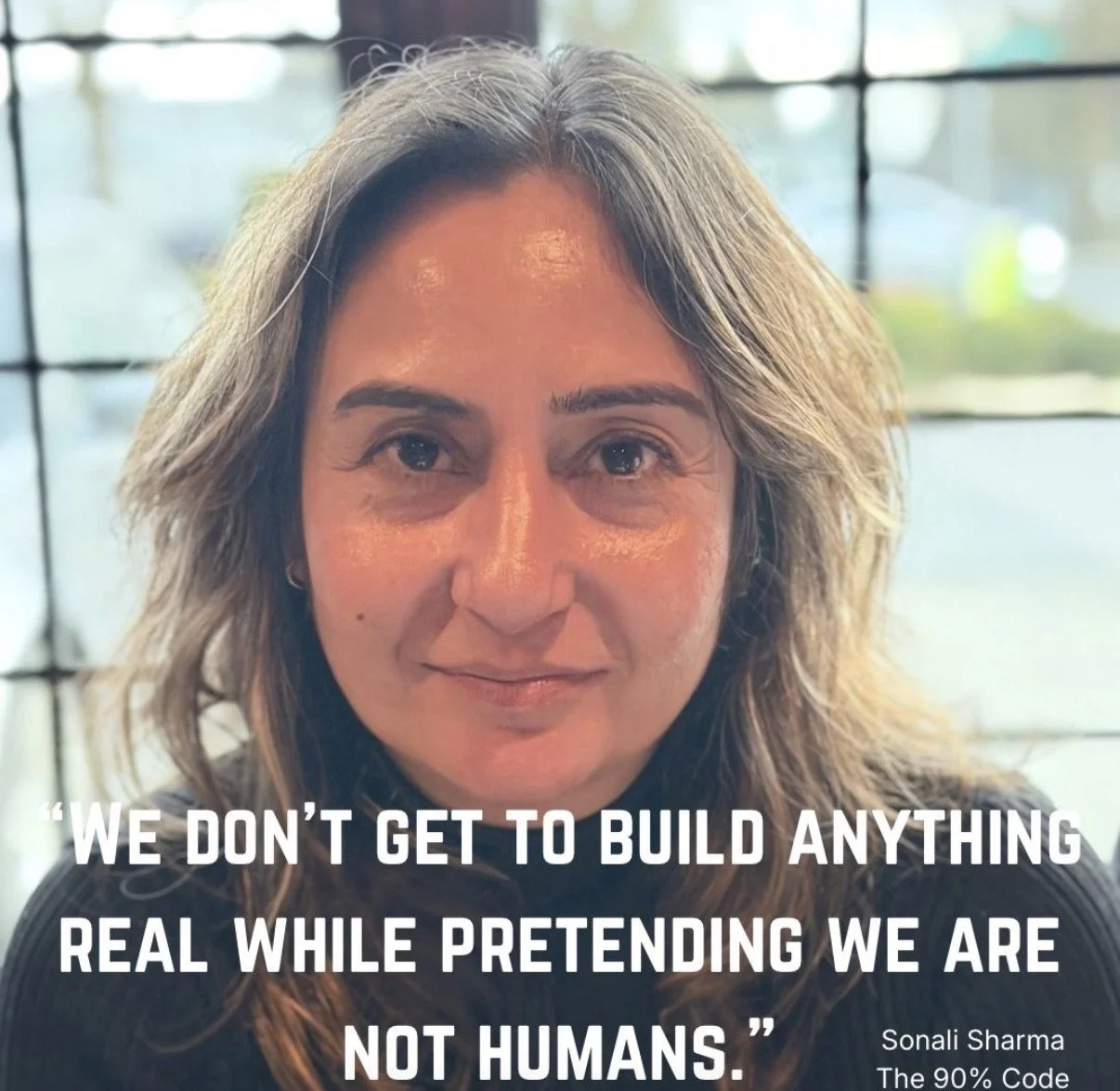
SONALI SHARMA, AUTHOR
In the Media

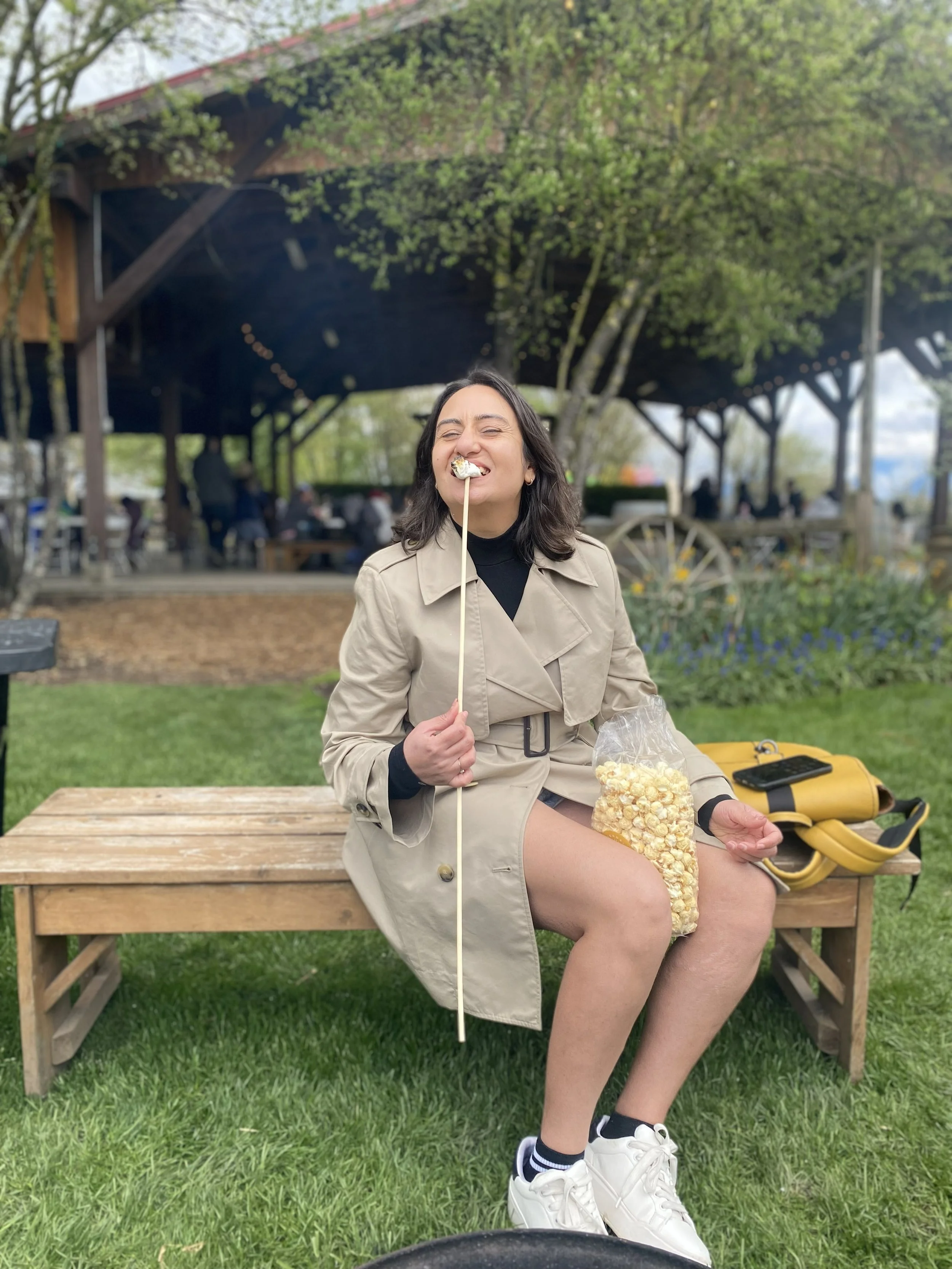
Meet Sonali
Two decades of refusing to bend. Sometimes messy. Sometimes expensive. Always mine.
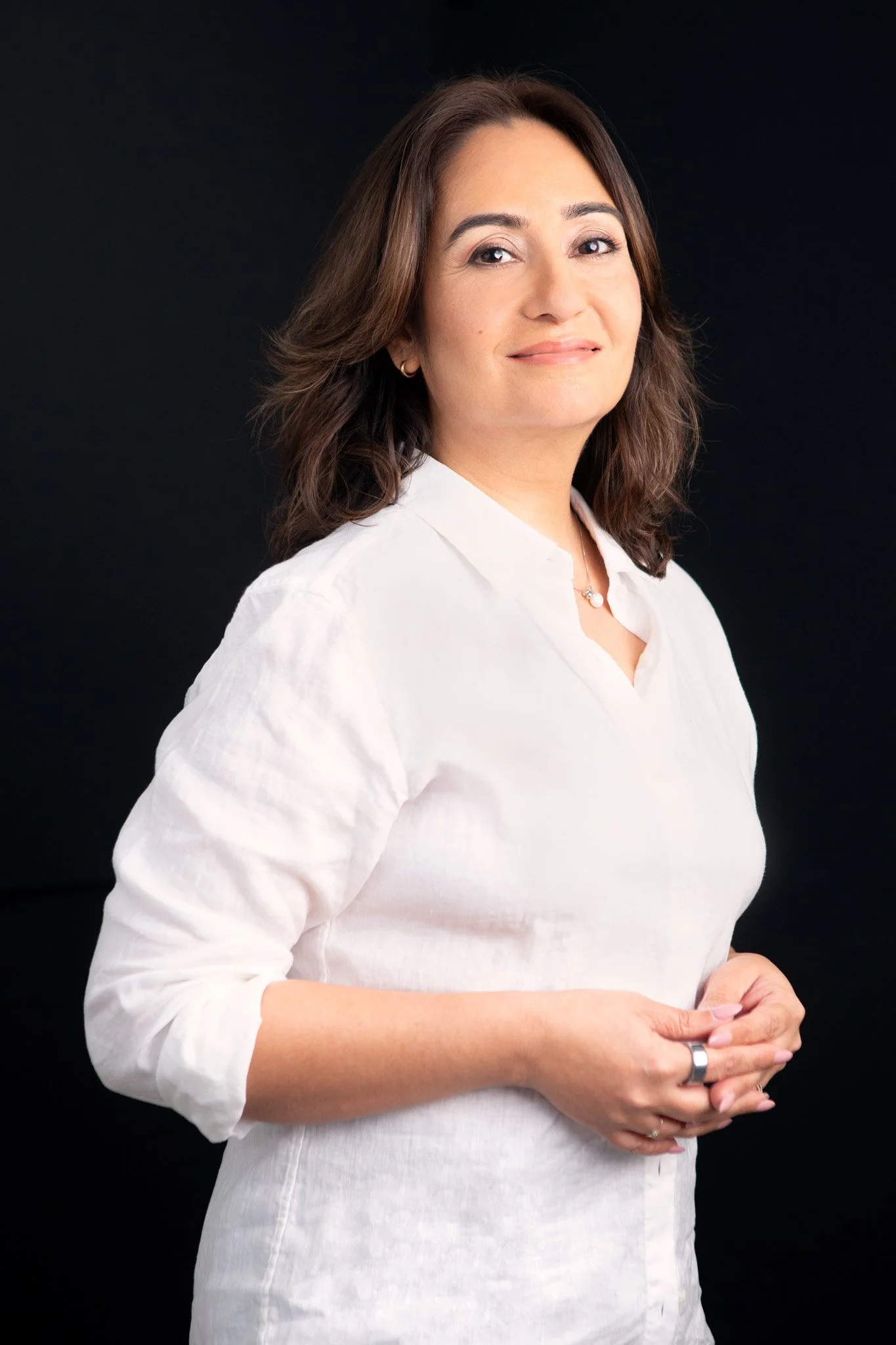
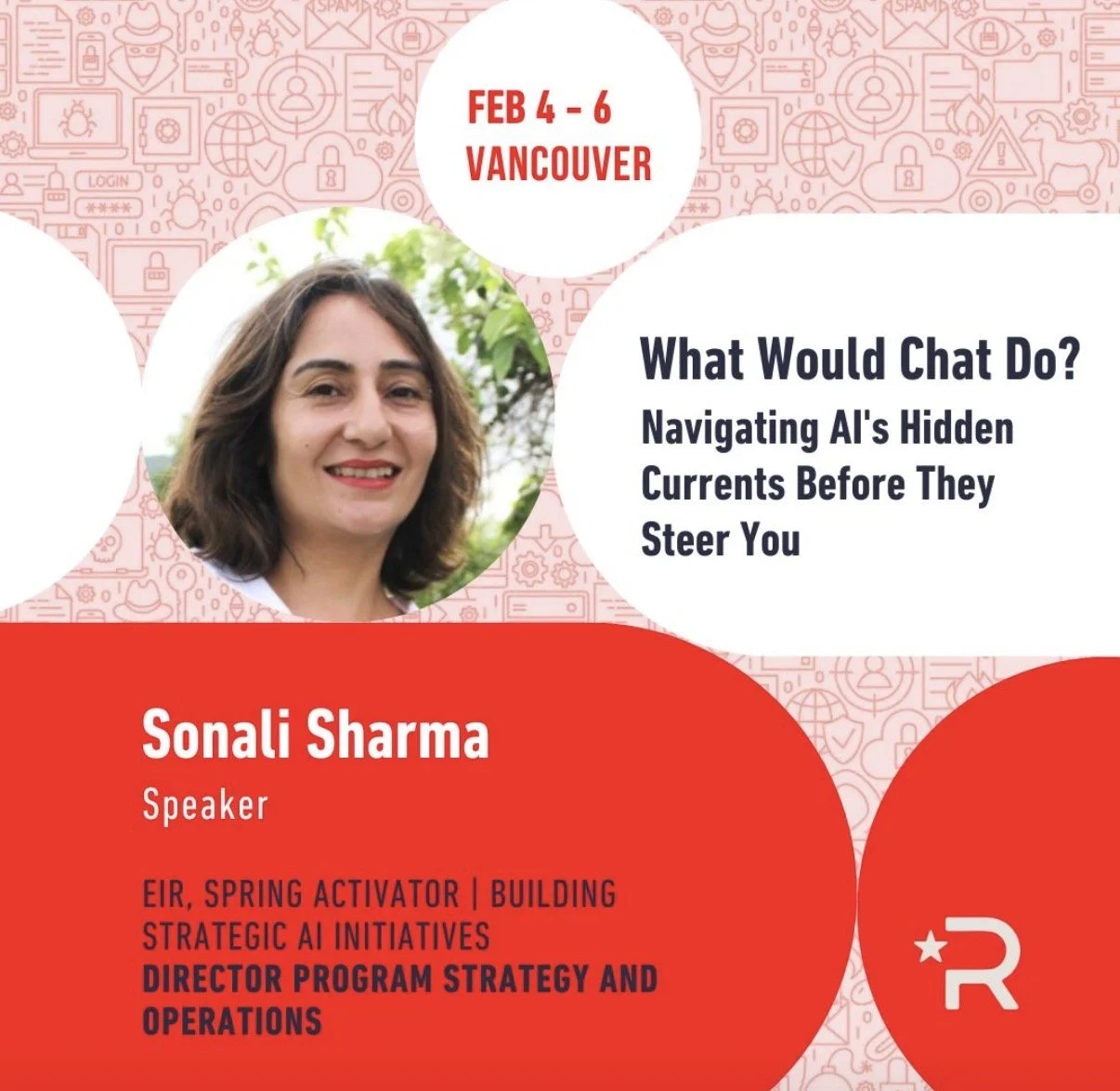
Sonali Sharma writes from inside the 90 percent this book is for. A BIPOC immigrant, she has spent two decades building across continents and sectors — developing the systems lens this AI era demands.
A practitioner, builder, and strategist driven by one throughline — impact — she founded a closed-loop impact business with Indigenous artisans in South India, led enterprise and leadership development across Asia, and directed public-sector technology innovation strategy in Canada.
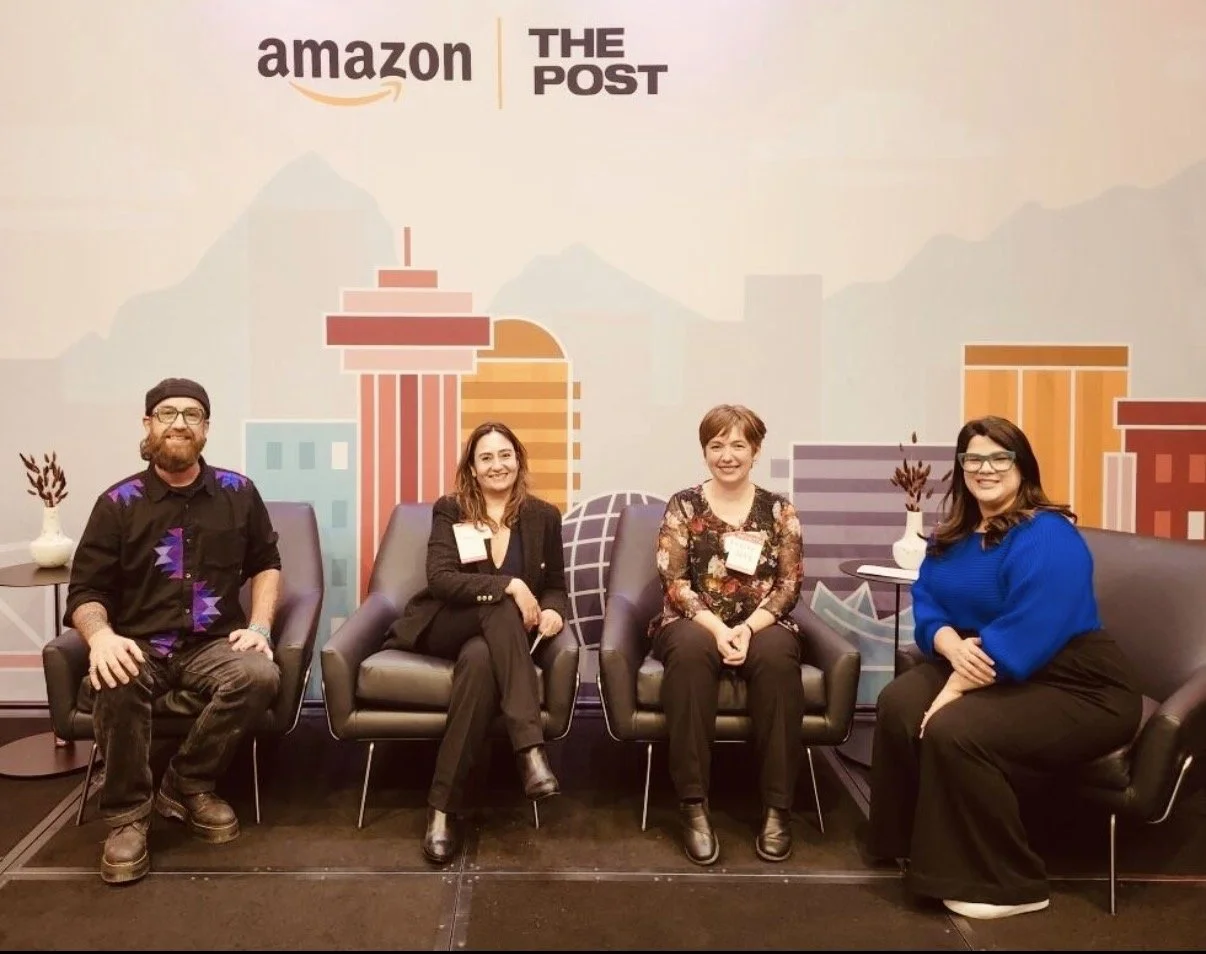
Today, she is building ANAi, an AI-powered preventive wellness platform, and mentors impact-led businesses as Entrepreneur-in-Residence with Spring Activator.
She lives in Vancouver with her family.
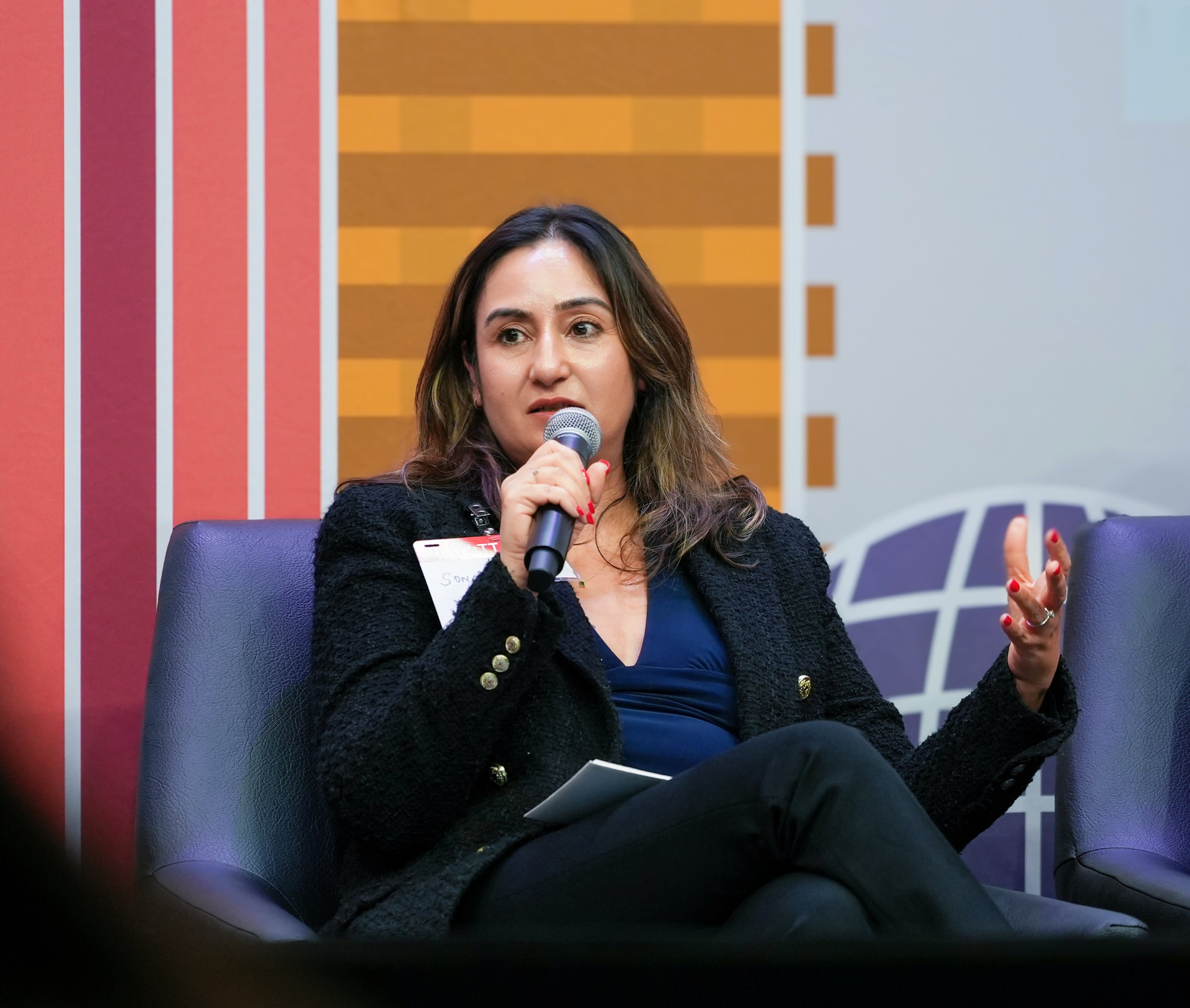
Why I wrote this book?
Across multiple industries and continents, I experienced the same pattern repeat—extraction prioritized over regeneration, heroes over the collective, and the architecture beneath both rarely questioned. The pattern was structural, not personal. AI is now scaling it faster than any institution can redesign it.
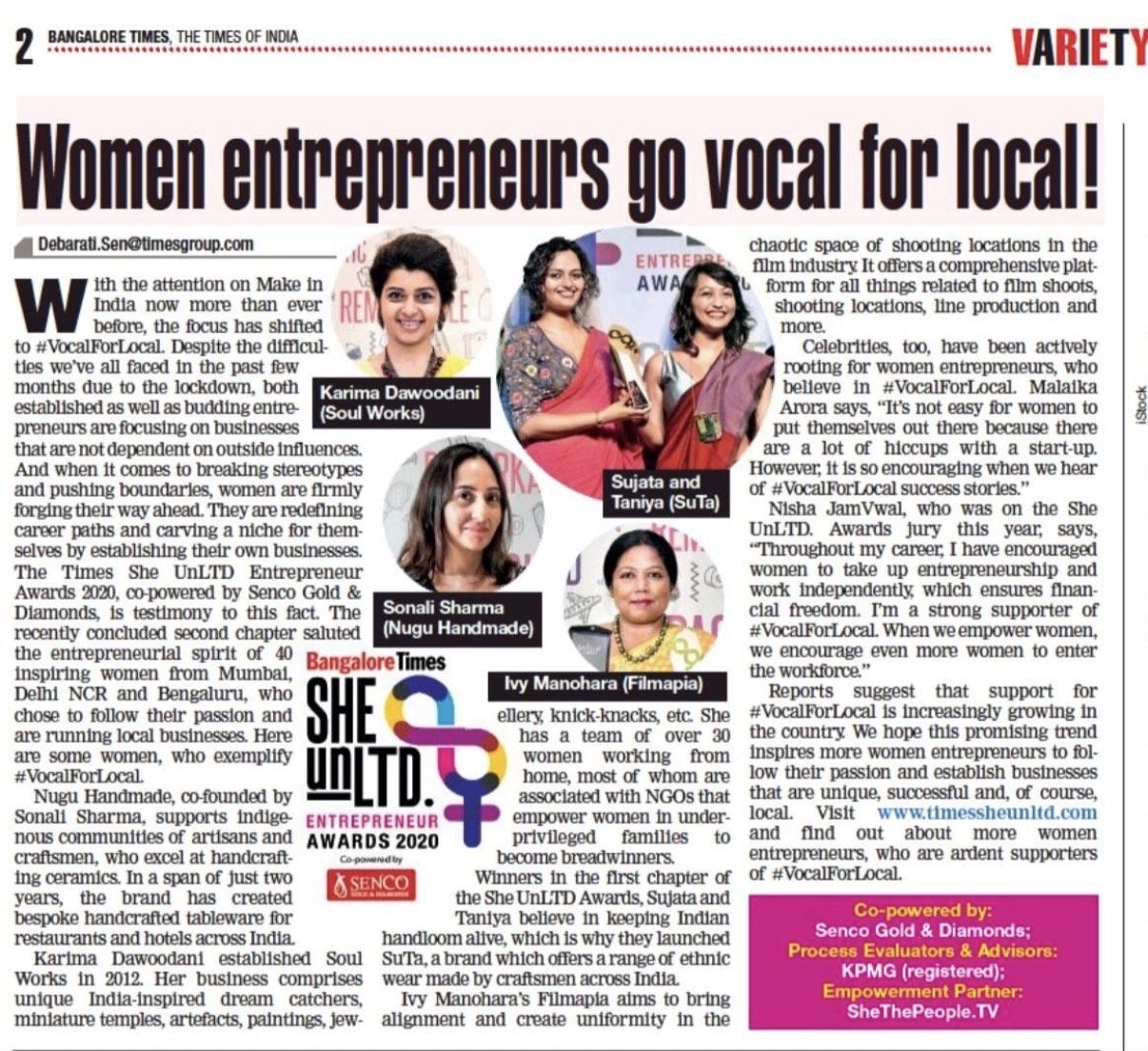
When my partner and I built Nugu Home—a closed-loop impact business with Indigenous artisans in South India—the model worked. Revenue grew, artisan wages multiplied tenfold, Marriott became a client. The capital to scale it did not exist. A business designed to distribute value was unintelligible to a financial infrastructure designed to concentrate it.
In 2025, my son graduated — five years and almost a hundred thousand dollars — and asked me: "Mom, will my job even exist in a few years?" I did not have an easy answer.
I wrote this book for him.
For entrepreneurs who need infrastructure, not just inspiration.
For laid-off workers who were not failures, but casualties of a system optimized for the wrong outcomes.
For political and tech leaders who understand the future is distributed but remain trapped inside systems that cannot reform themselves.
For anyone with an extraordinary capacity to contribute, trapped in structures that diminish rather than amplify what they could offer.
The answer is not better heroes. It is the 90 percent learning to lead together instead of waiting to be led.
Two futures are being built right now. One concentrates power into fewer hands than ever before. The other distributes it to more people than ever before. We are deciding which one — by what we build, what we tolerate, and what we demand. By the time the choice is visible as a choice, much of it will already have been made.
This book — and the platform built around it — is my attempt to put a blueprint in the hands of the 90 percent. To build the architecture for a future that includes us.
The time to choose is now.
FEATURED KEYNOTE · BCIT · OCTOBER 2026Building Digital Resilience in an AI-Driven World
NAVIGATING AI ADOPTION, EMERGING RISKS, AND THE TRUST INFRASTRUCTURE ORGANIZATIONS NEED TO THRIVE.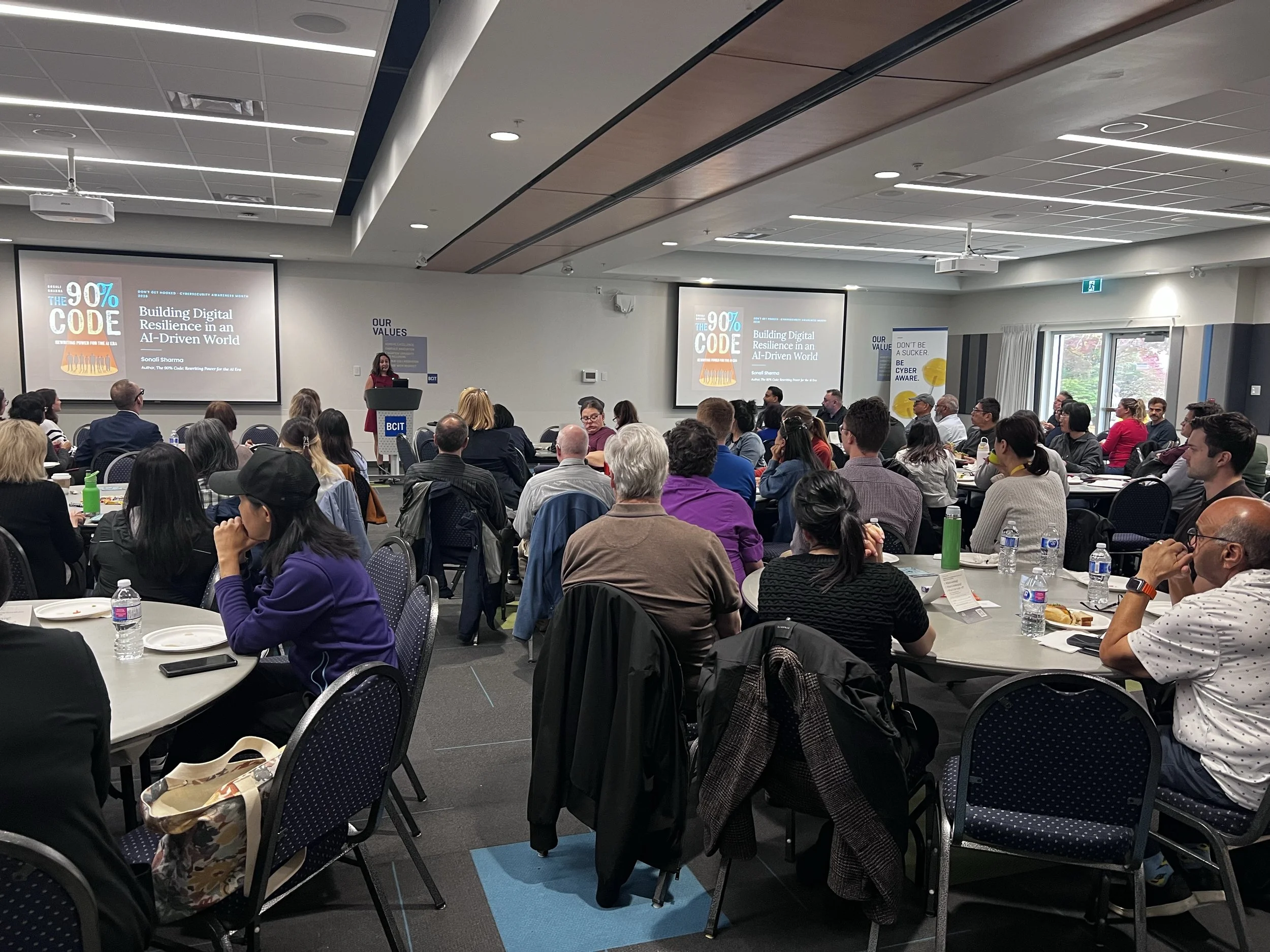
As AI transforms the cybersecurity landscape, organizations face expanding risks, new challenges in adoption, and growing demands for trust and accountability.
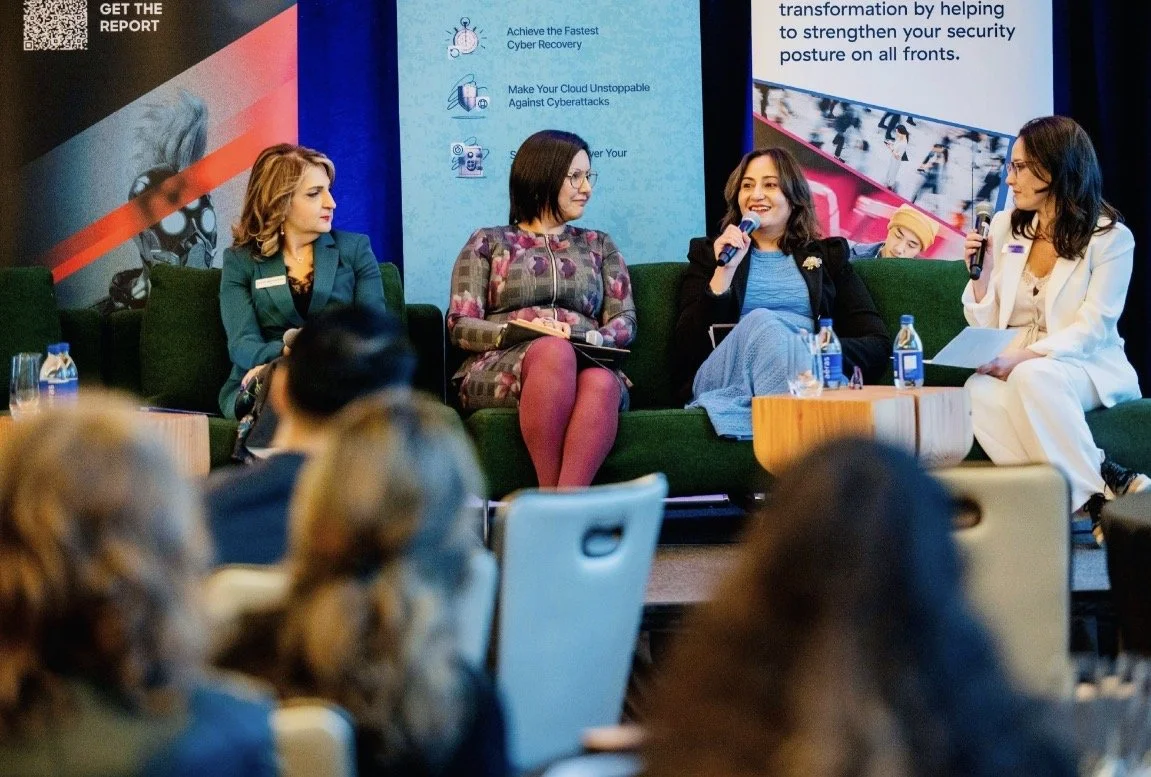
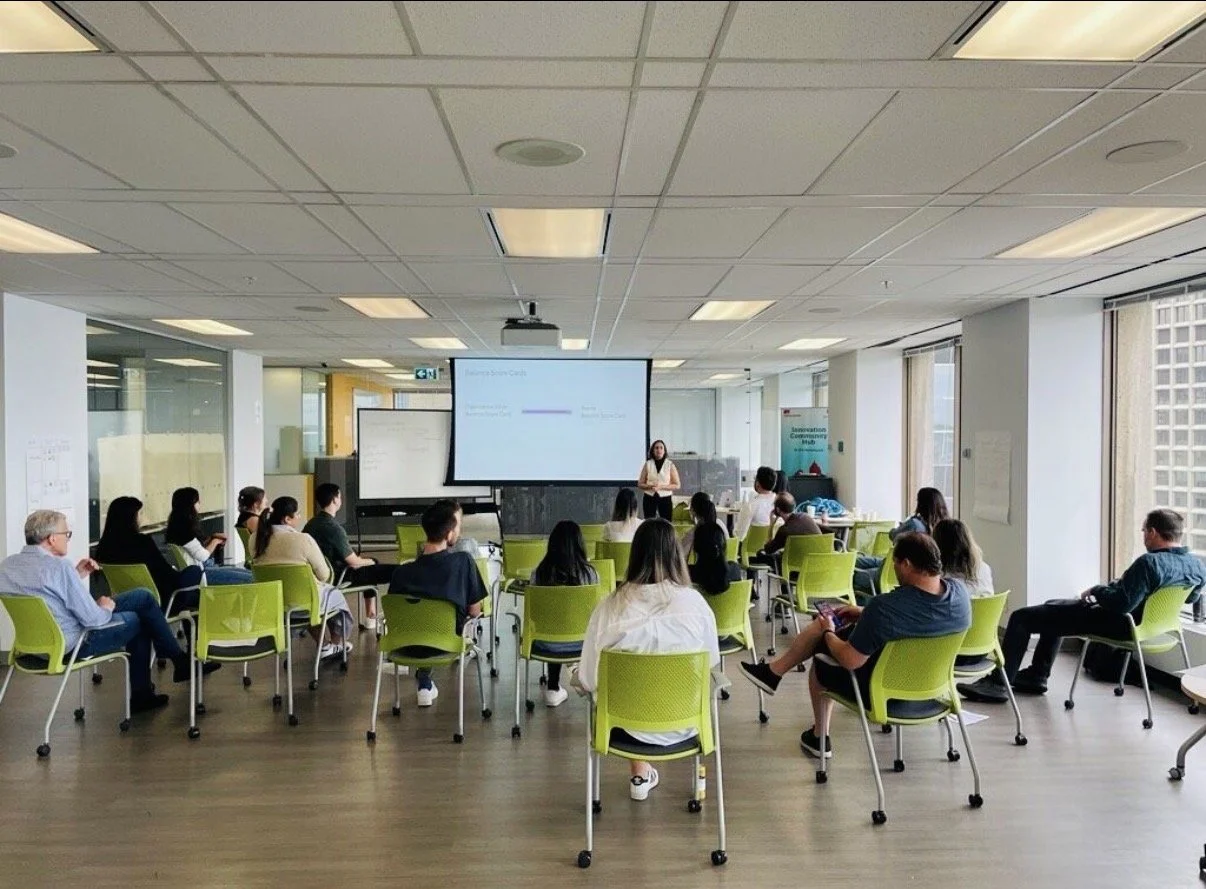
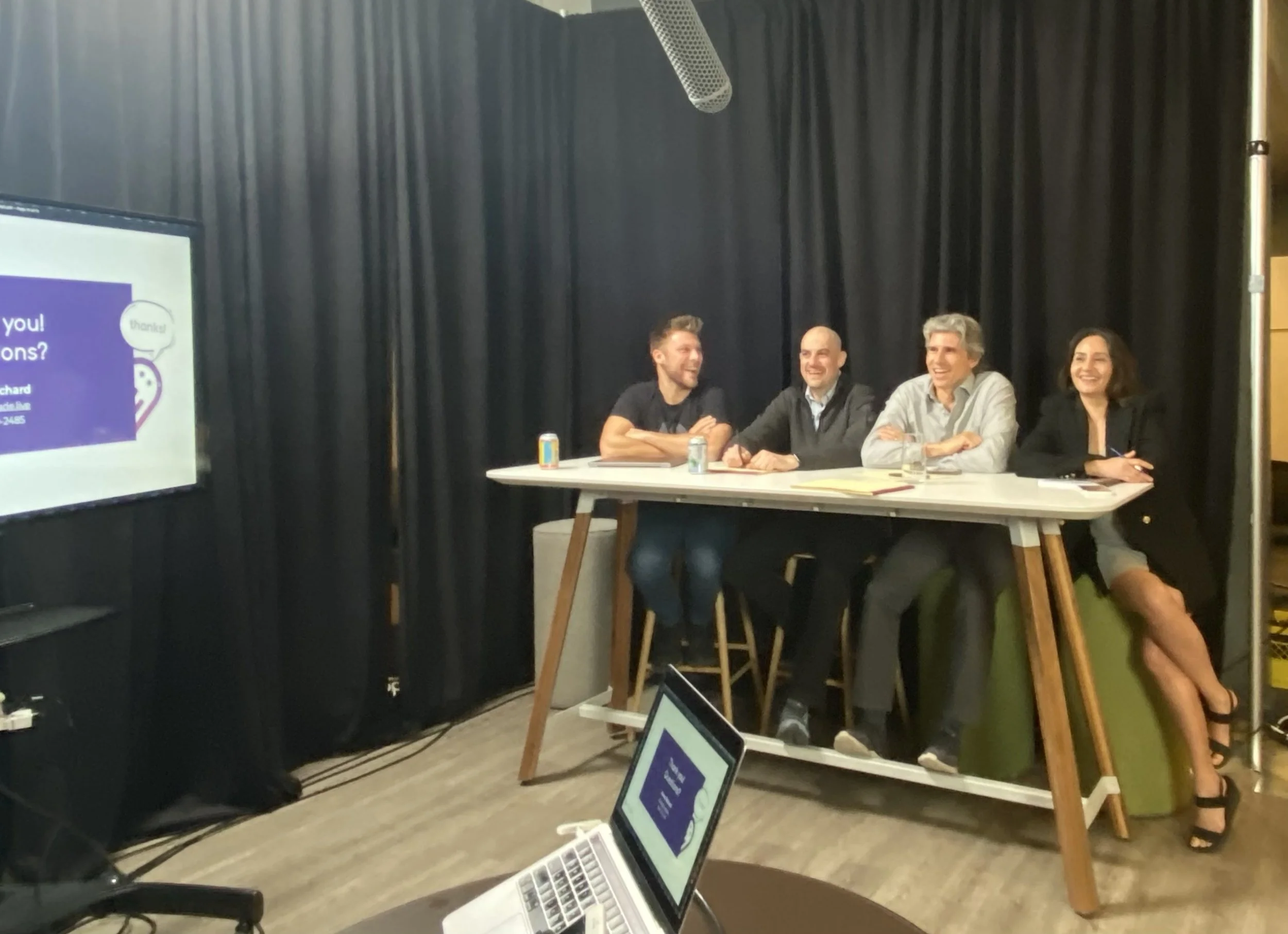
Opening BCIT’s Cybersecurity Awareness Month, Sonali Sharma engaged 120 faculty, staff, and students in exploring three essential shifts: from centralized control to distributed intelligence, from technology deployment to continuous systems redesign, and from trust as an aspiration to trust as infrastructure.
Drawing on The 90% Code and its AI Trust Infrastructure Assessment Framework, the keynote introduced five capacities—honesty, growth, power, fairness, and accountability—as foundations for responsible AI adoption and digital resilience.
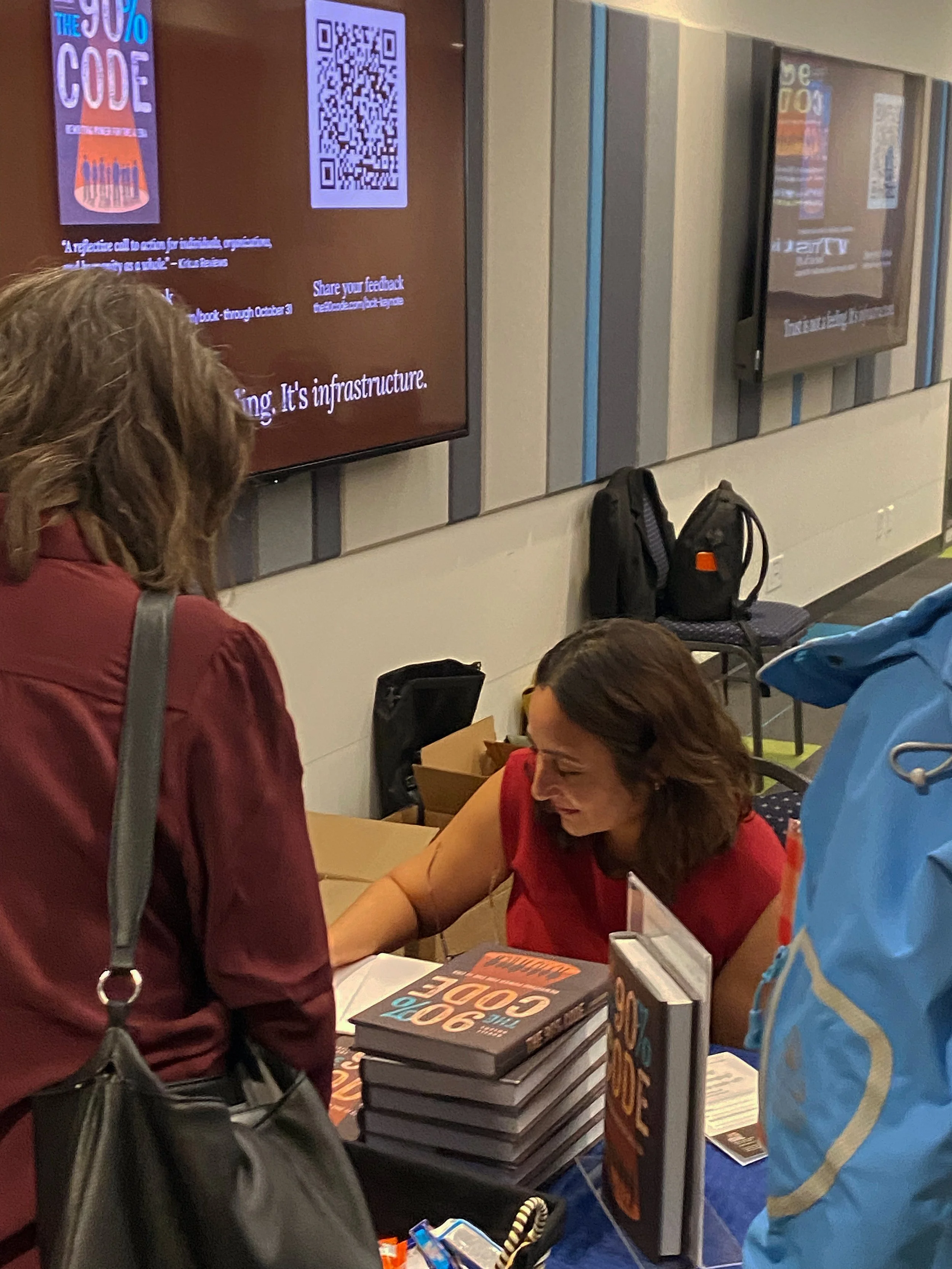
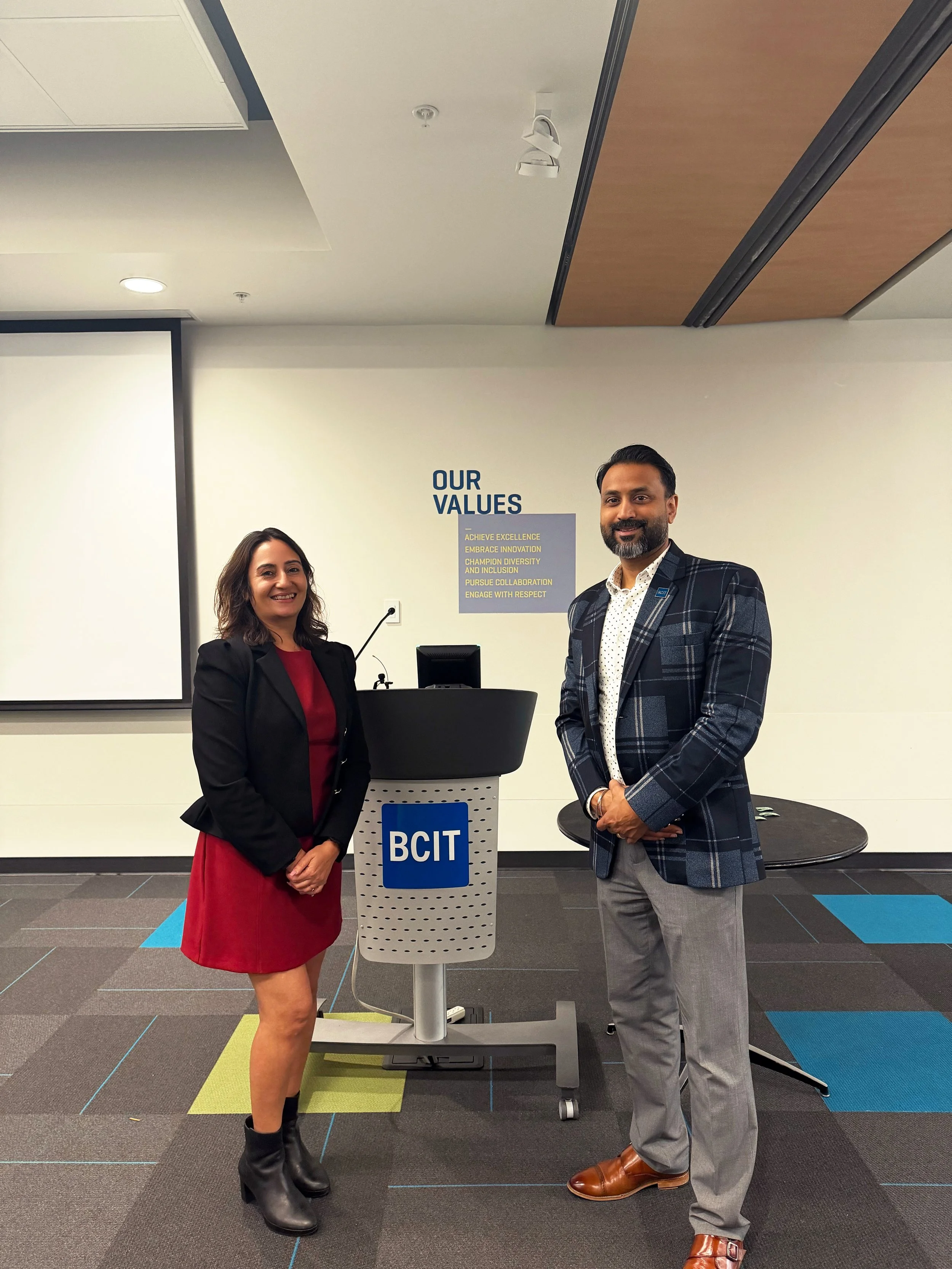
“Sonali delivered an inspiring and thought-provoking keynote on Building Digital Resilience in an AI-Driven World. The feedback from our community was overwhelmingly positive. Her perspective on moving beyond the traditional Hero Model toward distributed leadership, collective intelligence, and shared ownership was both timely and highly relevant as we navigate the complexity of the AI era. She truly knocked it out of the park.”
— Sunny Jassal
CISO, British Columbia Institute of Technology | President, ISACA Vancouver
Introversion and extroversion aren't fixed traits — they're contextual responses. The same person can be silent in one meeting and eloquent in another, depending entirely on the relational climate. This isn't fragility. It's a nervous system calibrated to read the room accurately — and acting on what it reads.
The 90% Code, Chapter 4: Relational Intelligence
A life spent testing the ideas in the real world